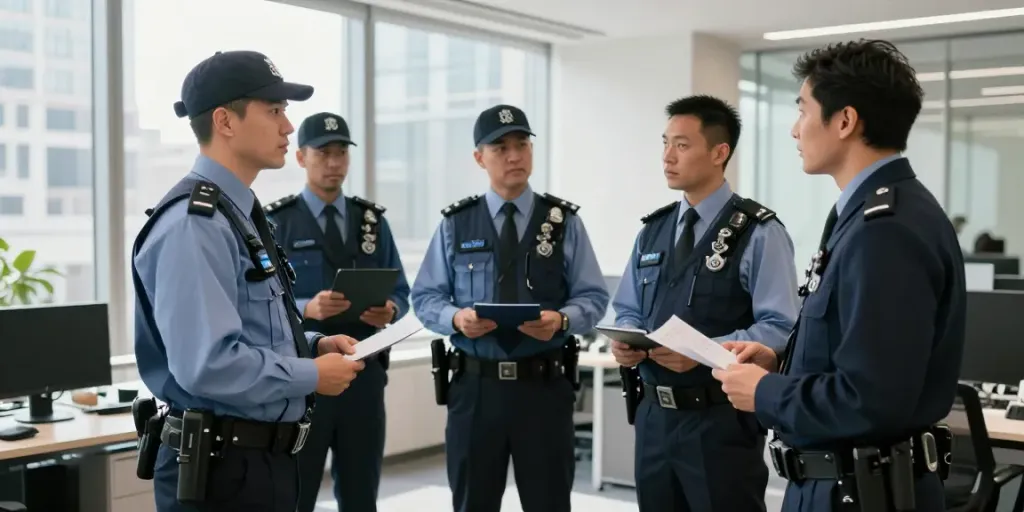
Understanding Corporate Security: What It Truly Involves
In today's rapidly evolving business landscape, corporate security has transcended conventional boundaries and emerged as a vital component in safeguarding organizations. It is not merely about physical security; rather, it encompasses a range of services designed to protect personnel, assets, and data from emerging threats. Whether your business is small or large, understanding the nuances of Corporate Security is essential for maintaining a competitive edge and ensuring continuous operations.
Key Functions of Corporate Security Services
Corporate security encompasses multiple functions tailored to meet the distinct needs of businesses. Key services include:
- Risk Assessment: Conducting thorough evaluations to identify vulnerabilities within an organization.
- Physical Security: Implementing measures such as access control and surveillance to protect premises.
- Cybersecurity: Securing electronic information and preventing breaches through advanced technologies.
- Incident Response: Developing protocols to address and manage adverse events or security incidents effectively.
- Training Programs: Conducting security awareness training for employees to cultivate a security-conscious culture.
Common Misunderstandings About Corporate Security
Despite its importance, corporate security is often misunderstood. Common myths include:
- It is only about physical security measures such as guards or cameras.
- Corporate security is a one-time effort rather than an ongoing process.
- Only large corporations need extensive security plans.
- Cybersecurity is unrelated to physical security.
Understanding these myths can significantly bolster a company's security posture, ensuring comprehensive protection against various threats.
The Role of Corporate Security in Business Continuity
Not only does corporate security protect assets, but it also plays a crucial role in preserving business continuity. With countless incidents that disrupt operations annually, organizations must anticipate potential risks and implement strategic measures to mitigate them.
A well-structured corporate security plan enhances resilience by:
- Ensuring prompt recovery procedures following security breaches or disruptions.
- Establishing clear communication channels during crises.
- Engaging in continuous monitoring and improvement of security practices.
How To Choose the Right Corporate Security Provider
Selecting the right corporate security provider can be daunting. Various factors dictate which provider will best meet your needs.
Credentials and Accreditations to Look For
When assessing potential security firms, prioritize those with recognized accreditations. Industry standards such as SIA (Security Industry Authority) licensing assure clients of a provider’s commitment to best practices.
Look for certifications like:
- ISO 9001: An internationally recognized standard for quality management.
- NSI (National Security Inspectorate): Endorsement demonstrating compliance with strict security standards.
Assessing the Reputation and Experience of Security Firms
A reputable security provider will have an established presence in the industry, evidenced by positive customer reviews and case studies of successful interventions. Seek firms that specialize in your sector to benefit from tailored insights and experience.
Questions to Ask Potential Security Vendors
Engaging in a dialogue with potential vendors is crucial. Consider asking the following:
- What types of services do you offer and how do they align with my business needs?
- Can you provide references or testimonials from clients in my industry?
- How do you train your personnel and what qualifications do they hold?
- What protocols do you have in place for incident response?
Pricing Structures for Corporate Security Services in London
The cost of corporate security can vary significantly based on several factors. Understanding these aspects can aid businesses in making informed choices.
Average Costs and What Influences Pricing
On average, the fees for corporate security services in London can range drastically, typically falling between £12 to £20 per hour for standard security guard services. However, specialized services, such as cybersecurity measures or event security, can command higher rates. Pricing is influenced by:
- The scope of the services required.
- The duration of the contract.
- The security provider's reputation and expertise.
Transparent Pricing Practices: Avoiding Hidden Fees
Before finalizing contracts, ensure that your chosen security firm provides clear, itemized pricing structures. This will help avoid any hidden fees and ensure budget adherence.
Understanding Service Packages Offered by Security Companies
Many security firms offer flexible packages designed to meet varied security needs. Evaluate these options and identify what aligns best with your corporate security strategy.
Licensing and Insurance Requirements for Security Providers
Ensuring compliance with relevant regulations is paramount when choosing a security provider. This helps protect both the business and its assets.
The Importance of Choosing SIA-Licensed Companies
In the UK, hiring a security company that is SIA-licensed is essential for compliance with the law. SIA licensing guarantees that the personnel employed meet specific training and vetting standards.
Insurance Coverage Standards You Should Expect
Any reputable security provider should offer substantial insurance coverage that protects against liabilities. Ensure coverage extends to areas such as:
- General liability insurance.
- Workers’ compensation insurance.
- Professional indemnity insurance.
Verifying Licensing and Compliance for Peace of Mind
It is advisable to verify a security provider’s licensing status and compliance with regulatory bodies before engaging services. This helps build trust and confidence in the chosen provider.
Real Customer Stories: Reviews and Testimonials
Customer feedback provides valuable insights into the effectiveness of corporate security providers. It's an essential consideration in the decision-making process.
Highlighting Positive Experiences with Corporate Security
Look for testimonials that reflect positive experiences, emphasizing reliability, professionalism, and effectiveness during critical incidents.
Case Studies of Successful Security Interventions
Reviewing case studies can illustrate how security providers adeptly managed risks and scenarios that align closely with your industry's characteristics.
Lessons Learned from Customer Feedback
Every customer feedback cycle should lead to improvements. For more information, Corporate Security offers valuable insights. Evaluating responses to issues raised by former clients is critical to ensuring steady growth and enhanced service quality.