Introduction to Enclosed Sunrooms
Enclosed sunrooms are an innovative way to merge the beauty of nature with the comfort of indoor living. These versatile spaces serve not only as a sanctuary for relaxation but can also function as a garden, a living area for entertaining guests, or even a workspace. By incorporating a enclosed sunroom into your home, you are providing yourself with an avenue to enjoy natural sunlight while being protected from the unpredictable elements outside. Let’s delve into the world of enclosed sunrooms, exploring their design, benefits, construction considerations, maintenance, and frequently asked questions.
What is an Enclosed Sunroom?
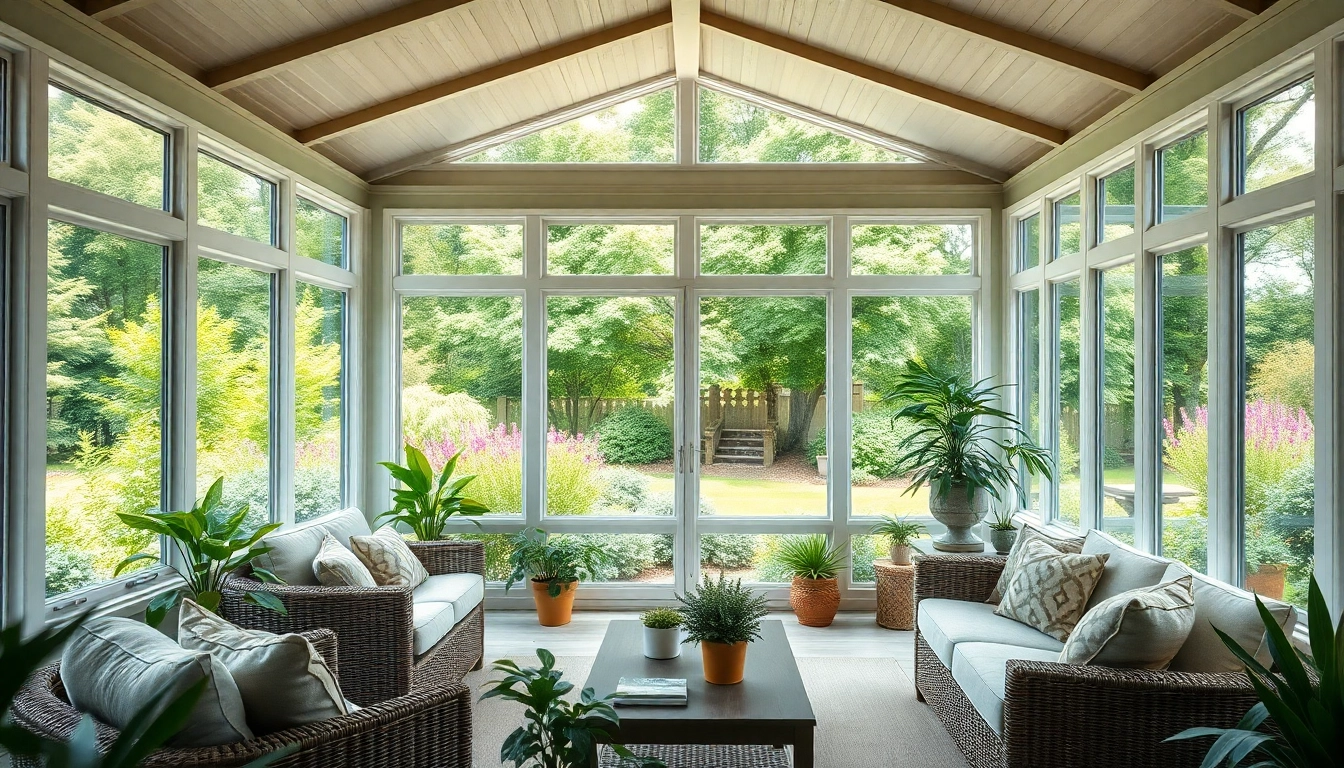
An enclosed sunroom, often referred to as a solarium or sunspace, is a room with walls and a roof made primarily of glass, designed to let in maximum sunlight while protecting occupants from wind, cold, and rain. Unlike traditional open patios, these rooms provide a barrier against the outdoor environment, thus making them usable year-round. Typically, they are designed to blend harmoniously with the home's architecture, utilizing similar materials and design choices, ensuring a seamless look.
Benefits of an Enclosed Sunroom
Enclosed sunrooms offer a multitude of benefits that enhance both lifestyle and home value. First and foremost, they provide a connection to nature, allowing you to enjoy the sights, sounds, and warmth of the outdoors comfortably. Here are some key benefits:
- Increased Natural Light: Enclosed sunrooms are built to maximize light exposure, enhancing mood and productivity.
- Climate Control: With proper insulation and ventilation, these spaces can remain comfortable regardless of external weather conditions.
- Versatility: They can be adapted for varied uses such as a cozy reading nook, a dining area, or a space for hobbies like gardening.
- Increased Property Value: Homes with additional living space tend to have better market value, making a sunroom a worthwhile investment.
How to Choose the Right Design
Choosing the design of your enclosed sunroom involves considering several factors, including the intended use, your home’s architecture, and your personal tastes. Here are some aspects to weigh:
- Architectural Style: Ensure your sunroom complements your home’s existing structure, whether it’s modern, traditional, or rustic.
- Size and Layout: Think about how the size will fit into your backyard and the activities you plan to engage in.
- Materials: Utilize durable materials that will withstand the elements while providing aesthetic appeal. Options include aluminum frames, insulated glass, and treated wood.
Design Inspirations for Your Enclosed Sunroom
Popular Styles and Layouts
When it comes to designing an enclosed sunroom, several popular styles can inspire you. From Victorian conservatories to sleek contemporary designs, each style offers its unique charm:
- Victorian: Characterized by ornate detailing and sloping glass roofs, creating a classic and elegant ambiance.
- Contemporary: Clean lines and minimalist design featuring large glass panels offer a more modern and spacious feel.
- Rustic: Natural wood elements and stonework can create a warm and inviting atmosphere.
Color Palettes to Enhance Your Space
Choosing the right color palette can significantly impact the ambiance of your enclosed sunroom. Lighter colors can make the space feel airy and open, while richer colors can add depth and coziness. Common palettes include:
- Neutral Tones: Whites, creams, and beiges provide a fresh, clean look while allowing furniture and decor to stand out.
- Pastels: Soft blues, greens, and yellows can create a serene and relaxing environment.
- Bold Accents: Incorporating bold colors for accessories and decor can energize the space without overwhelming it.
Functional Furniture and Decor Choices
To optimize the utility of your enclosed sunroom, consider furnishings that align with its function. Here are some suggestions:
- Comfortable Seating: Invest in durable, comfortable furniture that promotes relaxation and conversation.
- Multi-functional Tables: Consider tables that can serve multiple uses, such as dining or working.
- Natural Elements: Incorporate plants and natural decor to create a seamless indoor-outdoor transition.
Construction Considerations for Enclosed Sunrooms
Materials for Durability and Aesthetics
The choice of materials plays a crucial role in both the appearance and longevity of an enclosed sunroom. Consider options that require low maintenance, offer energy efficiency, and provide aesthetic appeal. Popular choices include:
- Aluminum Frames: Lightweight, corrosion-resistant, and available in various colors.
- Vinyl: Low maintenance option with excellent insulating properties.
- Wood: Provides a classic look but may require more maintenance; consider treated wood for durability.
Building Regulations and Permits
Before beginning construction, it’s crucial to understand local building codes, zoning regulations, and permit requirements. These can significantly impact design decisions and timelines. Contacting your local building authority is a critical first step to ensure compliance.
Hiring the Right Professionals
Selecting experienced contractors or builders who specialize in sunroom construction can make a significant difference in the outcome of your project. Look for professionals with positive reviews and a portfolio of previous work to ensure the best results.
Maintenance and Care for Your Enclosed Sunroom
Cleaning and Upkeep Tips
Maintaining your enclosed sunroom ensures it stays a beautiful and functional part of your home. Regular cleaning of glass surfaces prevents buildup and keeps the space bright. Use non-abrasive cleaners and soft cloths to preserve the integrity of the glass. Consider seasonal checks of seals and frames to avoid leaks or deterioration.
Seasonal Adjustments for Comfort
Making seasonal adjustments can help maintain comfort in your sunroom. In summer, consider using shades or blinds to reduce glare and heat. In winter, ensure your heating system is functioning correctly to create a cozy environment. Insulation can also help with temperature control throughout the year.
Common Issues and Their Solutions
Common challenges include condensation and potential leaks. To mitigate condensation, ensure proper ventilation and utilize dehumidifiers when necessary. For leaks, inspect seals and weather stripping regularly, and address any issues quickly to prevent further damage.
Frequently Asked Questions About Enclosed Sunrooms
1. How much does an enclosed sunroom cost?
A typical enclosed sunroom can range from $60,000 to $120,000, depending on size, materials, and additional features. Custom designs may incur higher costs.
2. Can I build an enclosed sunroom by myself?
While DIY projects can be fulfilling, building a sunroom often requires expertise in construction, permitting, and design. Professional assistance is usually recommended.
3. What materials are best for an enclosed sunroom?
Aluminum and vinyl are popular due to their durability and low maintenance. Wood provides a classic look but can require more upkeep.
4. How do I ensure my sunroom stays cool in summer?
Consider using insulated glass, window shades, and ceiling fans to promote air circulation. Planting outdoor shade trees can also help.
5. What are the best furniture options for my enclosed sunroom?
Choose comfortable seating, multi-functional tables, and weather-resistant materials. Incorporate plants for a natural touch.