
Understanding Sports Broadcasting
Definition of Sports Broadcasting
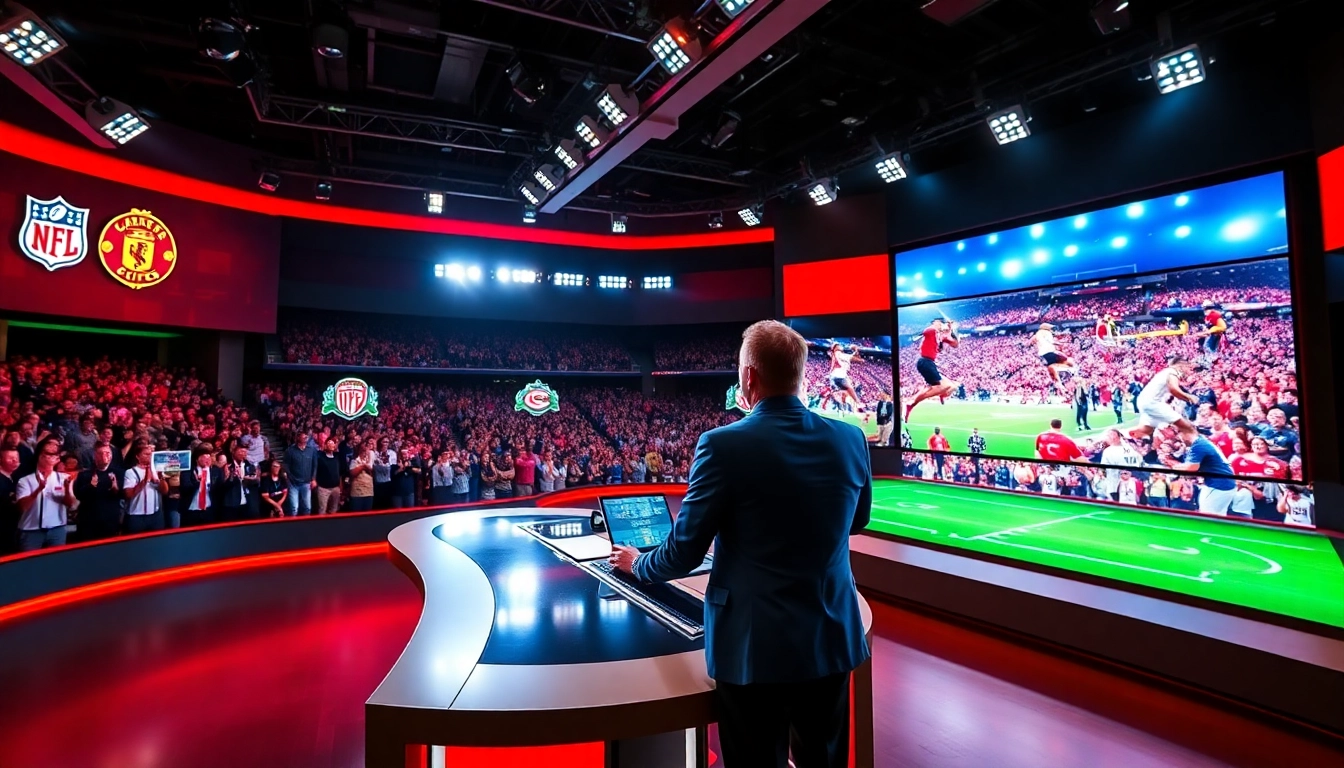
Sports broadcasting refers to the live or recorded transmission of sporting events via television, radio, or digital platforms. It encompasses a wide range of media formats, including play-by-play announcements, analysis, and commentary. As a medium, it plays a crucial role in connecting fans with their favorite sports and teams, while enhancing the overall viewing experience. The growth of Sports Broadcasting has revolutionized how fans consume sports, bringing games directly into their homes and onto their mobile devices.
Evolution of Sports Broadcasting
The history of sports broadcasting can be traced back to the early 20th century when radio emerged as a popular communication medium. The first live sports broadcast occurred in 1921, featuring a boxing match. With television's arrival in the 1950s, sports broadcasting entered a new era, where viewers experienced live events visually. The rapid integration of technology has further transformed this field, with cable, satellite, and the internet providing diverse platforms for audiences across the globe to access sports content.
Importance of Sports Broadcasting
Sports broadcasting serves multiple purposes, the most significant of which is fostering community and engagement among fans. It plays an essential role in popularizing various sports, informing audiences about games, and providing critical analysis and commentary. Additionally, sports broadcasts contribute to the economy, from advertising revenue to ticket sales, offering substantial financial support to leagues, teams, and associated businesses. This interconnected ecosystem illustrates the vital relevance of sports broadcasting in contemporary society.
Key Technologies in Sports Broadcasting
Streaming Services vs Traditional Broadcast
The rise of streaming services has reshaped the landscape of sports broadcasting. Traditional broadcasters relied on terrestrial transmission, cable, or satellite services. However, streaming platforms provide more flexible viewing options, allowing audiences to watch games anytime and anywhere on their devices. This transition toward on-demand services has driven networks to adapt, incorporating advanced features like multiple camera angles, interactivity, and tailored content to enhance viewer experience.
Role of Social Media in Sports Broadcasting
Social media has become an integral part of sports broadcasting, facilitating fan engagement and breaking news dissemination. Platforms like Twitter and Instagram offer real-time updates and highlights, reinforcing traditional broadcasts. Sports organizations leverage these channels to interact with fans, create promotional content, and drive digital traffic to live events. This strategy not only enhances fan engagement but also facilitates the growth of sports brands in today's fast-paced media environment.
Emerging Technologies: AR and VR
Augmented reality (AR) and virtual reality (VR) technologies are pushing the boundaries of sports broadcasting. AR enhances the viewing experience, providing overlays of statistics and player information in real-time, while VR offers immersive experiences that allow fans to feel as if they are part of the action. These technologies are poised to revolutionize how events are broadcasted and consumed, making the spectator experience more interactive and engaging than ever before.
Challenges in Sports Broadcasting
Copyright and Licensing Issues
One of the most significant challenges in sports broadcasting is navigating copyright and licensing constraints. Sports leagues fiercely protect their content, enforcing strict regulations around the broadcasting and sharing of footage. This can create barriers for smaller networks and independent broadcasters, limiting their ability to create unique content. Understanding the complexities of licensing agreements and developing collaborations is essential for organizations looking to enter or expand within this space.
Audience Engagement Challenges
Captivating audiences is a continuing challenge in sports broadcasting. With countless options available to consumers, broadcasters must craft engaging narratives and unique selling propositions to capture viewers’ attention. This includes not only presenting exciting game content but also focusing on behind-the-scenes stories, personal player experiences, and community involvement to foster emotional connections with audiences.
Market Competition and Saturation
The sports broadcasting market is becoming increasingly crowded, with numerous networks and streaming platforms competing for viewership. This saturation often leads to a race for the rights to broadcast popular sporting events, escalating costs and creating financial pressures on networks. Effective market strategies, innovative content delivery, and unique viewer experiences are paramount to thrive in this competitive environment.
Best Practices for Effective Sports Broadcasting
Enhancing Viewer Experience
Providing a superior viewer experience is crucial in sports broadcasting. This can be achieved through high-definition streaming, interactive features that allow viewers to customize their experience, and effective use of analytics to understand viewer preferences. Understanding audience demographics and preferences empowers broadcasters to tailor their content, making it relevant and enjoyable for viewers.
Strategies for Comprehensive Coverage
Comprehensive coverage requires a multifaceted approach. This includes not only live broadcasts but also extensive pre-game and post-game analysis, feature pieces, and community stories. Integrating multiple platforms, including social media engagement, podcasts, and behind-the-scenes footage, ensures that broadcasters cater to broad interests and keep audiences engaged even outside regular game coverage.
Building a Brand in Sports Broadcasting
Establishing a recognizable brand is crucial for success in sports broadcasting. This involves creating a distinct identity, visual branding, and consistent messaging to convey a clear value proposition to the audience. Strategic partnerships with brands, teams, and influencers can amplify reach and strengthen viewer loyalty.
The Future Landscape of Sports Broadcasting
Predicted Trends and Changes
The future of sports broadcasting looks promising, with emerging trends such as increased focus on personalized content, deeper integration of technology, and the rise of new platforms altering the landscape. The growing importance of data-driven insights will allow broadcasters to adapt faster to viewer preferences and optimize content delivery for maximum engagement. The global reach of digital platforms also indicates a significant shift toward international audiences increasingly looking for localized content.
How to Adapt to Industry Shifts
To thrive amidst the evolving sports broadcasting industry, stakeholders must remain agile and proactive. Regularly analyzing market trends, investing in technology, and fostering creativity within content generation are essential strategies. Building strategic alliances and partnerships will enable broadcasters to innovate and remain relevant while addressing the changing demands of their audience.
Conclusively Engaging Audiences in Sports Broadcasting
Engaging audiences in sports broadcasting necessitates an understanding of their interests and preferences. By leveraging data analytics, broadcasters can tailor content to meet viewer expectations effectively. Innovative storytelling techniques, coupled with technology integration, can enhance viewer experiences and foster connections. Ultimately, continuous engagement and evolving content strategies will define the future of sports broadcasting.
Frequently Asked Questions
What is sports broadcasting?
Sports broadcasting involves the live or recorded transmission of sports events through various media platforms, enabling fans to watch games from anywhere.
How has sports broadcasting evolved?
Sports broadcasting has evolved from radio broadcasts in the early 20th century to today's diverse platforms, including television and streaming services.
What are the key technologies in sports broadcasting?
Key technologies include streaming services, social media, and emerging technologies like augmented reality (AR) and virtual reality (VR), enhancing viewer experience.
What challenges do sports broadcasters face?
Challenges include copyright issues, audience engagement difficulties, and a highly competitive market with numerous players vying for viewership.
How can broadcasters enhance viewer experience?
Broadcasters can enhance viewer experience by providing high-quality streaming, interactive features, tailored content, and engaging narratives that draw in fans.