

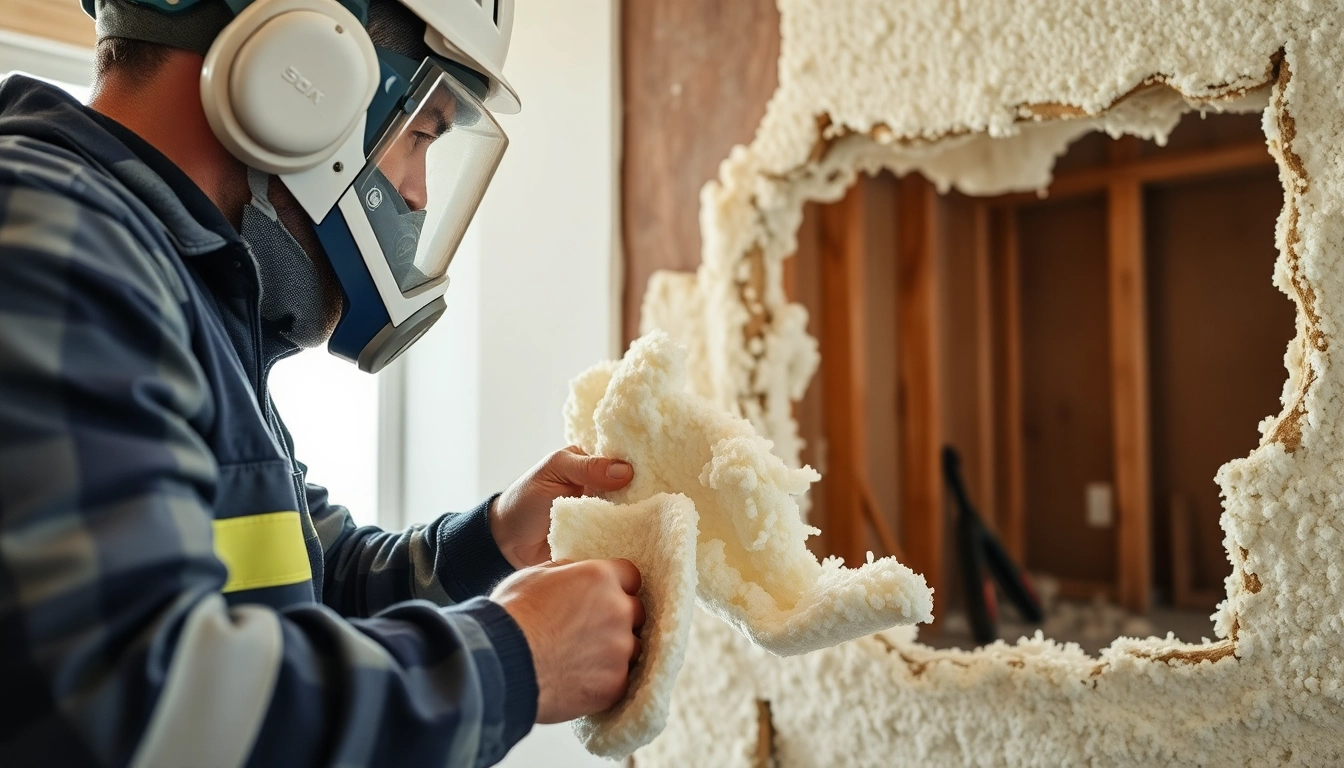
Understanding Spray Foam Insulation
Spray foam insulation has gained significant popularity as an effective way to enhance energy efficiency in both residential and commercial buildings. It offers a myriad of benefits, including superior air sealing capabilities, durability, and versatility in application. Understanding the characteristics and advantages of spray foam insulation is essential for homeowners and builders alike. In this comprehensive guide, we will address the important question of can spray foam insulation be removed and delve into the reasons for its removal, the techniques involved, and what to expect during the process.
What Is Spray Foam Insulation?
Spray foam insulation is a polyurethane-based material that is applied in liquid form and quickly expands upon contact with air. This unique property allows the foam to fill gaps, crevices, and voids, creating an airtight seal that significantly reduces air leaks in buildings. Available in two types—open-cell and closed-cell—spray foam insulation serves various purposes across different applications.
Benefits of Spray Foam Insulation
One of the standout advantages of spray foam insulation is its excellent thermal performance. Its high R-value per inch provides superior insulation compared to traditional materials such as fiberglass or cellulose. Moreover, spray foam also acts as a sound barrier, minimizing noise infiltration from the outside. Other benefits include:
- Energy Efficiency: Reduces heating and cooling costs by minimizing air leaks.
- Moisture Management: Resists moisture, preventing mold and mildew growth.
- Longevity: Durable material that can last for decades with proper care.
- Environmental Impact: Many formulations are eco-friendly and can contribute to LEED certification.
Common Applications for Spray Foam
Spray foam insulation is suitable for a range of applications, including:
- Attics: Prevents heat loss and reduces energy costs.
- Walls: Enhances structural integrity while providing thermal insulation.
- Basements: Protects against moisture and drafts.
- Crawl Spaces: Creates a barrier against pests and moisture intrusion.
Reasons to Remove Spray Foam Insulation
Despite its many advantages, there are scenarios where removing spray foam insulation may be required, either due to damage, health concerns, or remodeling projects. Understanding these reasons can help homeowners make informed decisions regarding their insulation needs.
Damage or Deterioration
Over time, any building material can succumb to wear and tear. Factors such as water damage, pest infestations, or improper initial application of spray foam can lead to significant deterioration. If the insulation becomes compromised, it may lose its effectiveness and become a liability rather than an asset.
Health Concerns and Allergies
In certain cases, individuals may experience allergic reactions to spray foam insulation. Newly installed foam can off-gas volatile organic compounds (VOCs) that could affect indoor air quality. If residents experience persistent health issues, it may warrant the removal of the insulation to safeguard the household’s overall health.
Home Renovations and Upgrades
When planning home renovations, such as remodeling or updating spaces, removing existing spray foam insulation might become necessary. This is particularly true if the insulation interferes with new designs or structural changes. Removing spray foam prior to such renovations ensures a clean slate for new installations.
Can Spray Foam Insulation Be Removed? Key Considerations
The process of removing spray foam insulation is multi-faceted. While it is possible to effectively remove it, several factors should be considered beforehand.
Techniques for Effective Removal
There are several methods for removing spray foam insulation depending on its application and location:
- Mechanical Removal: This involves using chisels, saws, or scrapers to physically remove the foam. It is labor-intensive and may cause damage to underlying surfaces if not done carefully.
- Chemical Removal: Chemical solvents can be applied to soften the foam, making it easier to scrape off. Precautions must be taken to protect surfaces and ensure proper ventilation during this method.
- Professional Services: Engaging professionals who specialize in removing spray foam insulation ensures the job is done effectively and safely, minimizing damage to surrounding areas.
Potential Risks of Removal
Removing spray foam insulation comes with its set of risks, including:
- Structural Damage: Improper removal techniques can lead to damage to walls, ceilings, or other structures.
- Health Risks: Exposure to dust and chemicals during the removal process may pose health hazards if not handled properly.
- Cost Implications: Costs can escalate quickly, especially if damage occurs that requires repairs.
DIY vs. Professional Help
While some homeowners may opt for a DIY approach, it’s crucial to weigh the benefits of hiring a professional. Professionals bring experience and expertise, which can save time and ensure a smoother process. On the other hand, if choosing to go the DIY route, ensure adequate preparation and knowledge are in place.
What to Expect During the Removal Process
The removal of spray foam insulation is a detailed process that requires planning and foresight. Understanding what to expect can make the transition smoother.
Preparation Steps Before Removal
Before commencing with the removal, consider the following preparation steps:
- Assess the Condition: Examine the existing spray foam to determine whether removal is necessary.
- Clear the Area: Remove furniture and any obstacles in the vicinity of the insulation to allow space for work.
- Safety Measures: Use protective gear, including gloves, goggles, and masks, to avoid exposure to harmful materials.
Materials and Tools Needed
Having the right tools and materials on hand is essential for a successful removal. Commonly used tools include:
- Utility Knife or Saw
- Scrapers
- Chemical Solvents (if applicable)
- Protective Equipment (gloves, masks, goggles)
- Trash Bags for disposal
Environmental Impact Considerations
The removal of spray foam insulation has implications for the environment as well. While spray foam can often be recycled, it’s essential to understand local regulations regarding disposal. Always consider eco-friendly practices during removal to minimize the overall environmental footprint.
FAQs About Spray Foam Insulation Removal
How Difficult Is It to Remove Spray Foam Insulation?
Removing spray foam insulation can be challenging, especially in hard-to-reach areas. Proper techniques are crucial to avoid damage to structures.
Can I Remove Spray Foam Insulation Myself?
While it’s possible, it requires skill and the right tools. Professional help is recommended for safety and efficiency.
What’s the Cost of Removing Spray Foam Insulation?
Costs vary widely based on location, size, and complexity of removal. Professional services may cost more but ensure quality work.
Will Removing Spray Foam Damage My Walls?
There is a risk of damaging drywall or other materials during removal. Using the right techniques and tools can minimize this risk.
Are There Alternatives to Spray Foam Insulation?
Yes, alternatives include fiberglass batts, cellulose insulation, and mineral wool, each with its specific advantages for specific applications.