

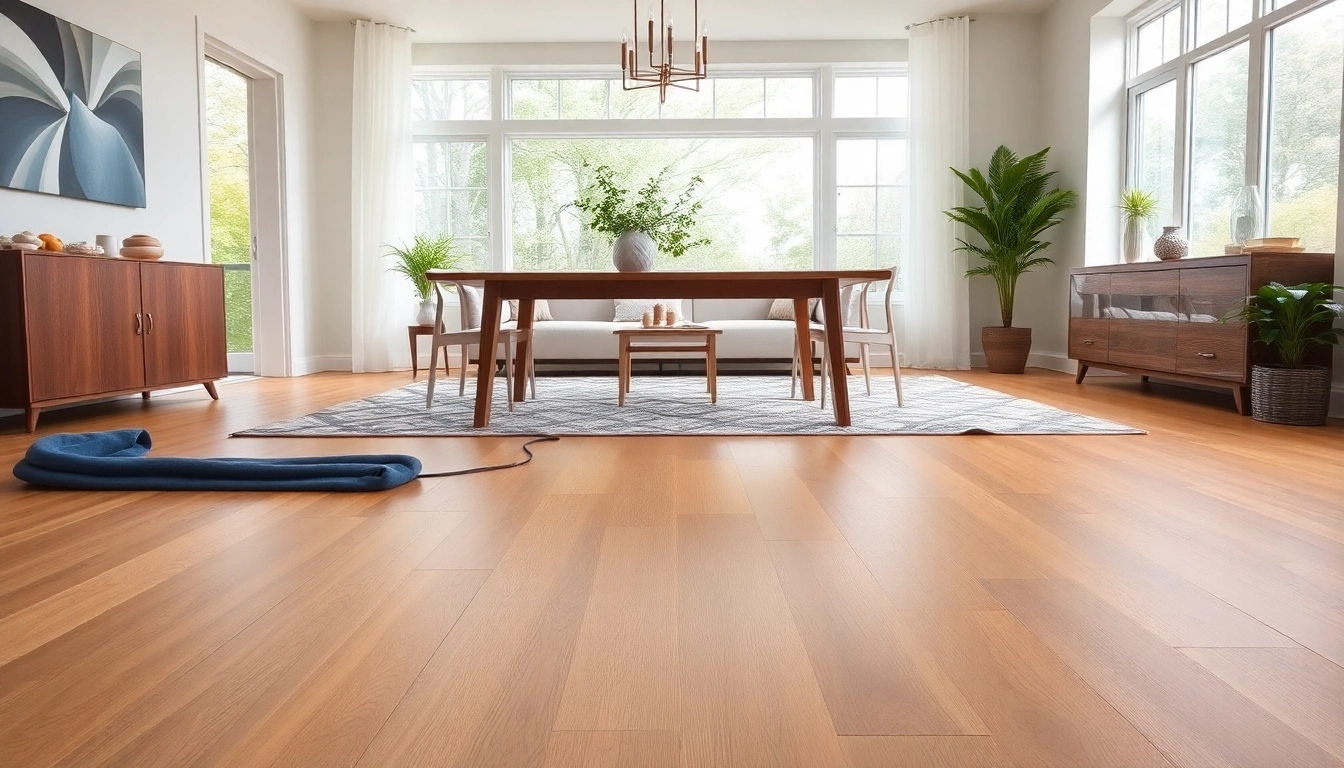
Understanding Chicago Flooring Options
When it comes to renovating or constructing a home, choosing the right chicago flooring is essential. Chicago offers a rich palette of flooring options that can fit various aesthetic preferences, budgets, and durability considerations. In this guide, we will explore the different types of flooring materials available, their benefits, and how to pick a style that suits your unique living space.
Types of Flooring Materials
Chicago homeowners are presented with an array of flooring materials, each with its unique advantages and applications. Below are some of the most popularly utilized types:
- Hardwood Flooring: Timeless and elegant, hardwood flooring comprises solid or engineered wood. Its natural beauty and durability make it a top choice for living rooms and bedrooms.
- Laminate Flooring: For those seeking a budget-friendly option, laminate mimics the appearance of wood and stone, offering resilience against scratches and dents without the high cost.
- Vinyl Flooring: This versatile materials comes in many styles and is water-resistant, making it ideal for kitchens and bathrooms. Luxury vinyl planks (LVP) are particularly favored for their aesthetic quality.
- Ceramic and Porcelain Tiles: Known for their durability and intricate design options, tiles are a popular flooring choice for areas prone to moisture, such as bathrooms and basements.
- Carpet: For maximum comfort, particularly in bedrooms and living areas, carpets provide warmth and sound insulation. Modern carpets offer numerous textures and styles.
Benefits of Chicago Flooring
Investing in quality flooring can significantly enhance the comfort, functionality, and value of your home. Here are some compelling benefits of various Chicago flooring options:
- Increased Property Value: Quality flooring can increase the resale value of your home, appealing to potential buyers by showcasing a well-maintained living space.
- Durability: Many flooring materials available in Chicago are designed to withstand high traffic and wear, ensuring they last for years with proper maintenance.
- Improved Aesthetics: The right flooring complements your interior design, tying together decor ideas and establishing a cohesive look.
- Comfort and Safety: Flooring contributes to the overall comfort of your home, offering warmth underfoot and sound insulation.
- Low Maintenance Options: Many modern flooring options, especially vinyl and tiles, require minimal maintenance, freeing up your time for other activities.
Choosing the Right Style for Your Home
Selecting the right flooring style begins with understanding your home’s architecture and personal taste. Here are some factors to consider:
- Architectural Style: Match flooring to the architectural style of your home, whether it’s a classic Victorian, contemporary, or cozy cottage.
- Color Palette: Coordinate flooring with existing color schemes in your home to create a harmonious look.
- Functionality: Consider areas of high foot traffic, potential moisture exposure, and specific activities (e.g., pets or children) when choosing materials.
- Personal Preference: Don’t overlook your lifestyle preferences, such as comfort versus aesthetics, when making your final decision.
Installation Tips for Chicago Flooring
Whether you are a seasoned DIY enthusiast or considering hiring professionals, proper preparation and knowledge about flooring installation are crucial for ensuring a successful project.
Preparing Your Space for Installation
Successful flooring installation begins long before the first plank is laid down. Preparation is key:
- Clear the Area: Remove furniture, fixtures, and any existing flooring that may interfere with installation.
- Check the Subfloor: Assess the condition of the subfloor and address any issues like moisture, unevenness, or damage.
- Acclimate Flooring Materials: Allow new materials to adjust to the temperature and humidity of your home for at least 48 hours before installation.
Do-It-Yourself Installation vs. Professional Help
Choosing between DIY installation and hiring professionals largely depends on your budget, skill level, and the complexity of the flooring material:
- DIY Installation: For those comfortable with tools and instructions, DIY can save costs and add a personal touch. However, it requires time and effort.
- Professional Help: Hiring experts ensures a flawless installation, provides warranty options, and saves you valuable time, especially for intricate materials like tile.
Tools Needed for a Successful Installation
If you opt for a DIY flooring project, having the right tools is critical. Here’s a checklist to help you succeed:
- Measuring Tape
- Utility Knife
- Spacers
- Leveling Tools
- Mallet
- Flooring Adhesive (if required)
Maintenance Best Practices for Chicago Flooring
Once your flooring is installed, proper maintenance will prolong its life and preserve its beauty. Follow these best practices:
Daily Care and Cleaning Tips
Simple daily maintenance will keep your flooring looking new:
- Sweep or Vacuum Regularly: Avoid dirt and dust buildup by cleaning the floors daily.
- Use Appropriate Cleaners: Choose cleaning products designed for your flooring type to avoid damage.
- Wipe Up Spills Immediately: Addressing spills quickly will prevent stains and damage.
Long-term Upkeep Strategies
For long-term preservation, consider these strategies:
- Refinishing Hardwood: Refinish hardwood flooring every few years to restore its luster.
- Resealing Tiles: Reseal ceramic or porcelain tiles to protect them from moisture and staining.
- Regular Inspections: Regularly inspect your flooring for signs of wear or damage and address them promptly.
Common Issues and Resolutions
Even with proper care, flooring issues can arise. Here are common problems and how to resolve them:
- Creaking Floors: This could indicate loose or unbalanced flooring; tightening or replacing the boards may be necessary.
- Scratches and Dents: Use wood filler for minor scratches on hardwood or a repair kit for laminate and vinyl.
- Water Damage: Dry out any wet areas and, if necessary, replace affected sections of wood flooring.
Designing with Chicago Flooring: Aesthetic Inspirations
The aesthetic appeal of your flooring plays a significant role in the overall atmosphere of your home. Here’s how to make flooring work with your design:
Integrating Flooring with Interior Styles
Your flooring should seamlessly integrate with your overall décor. Consider the following styles:
- Modern Minimalism: Choose sleek, uniform flooring in neutral tones to enhance clean lines.
- Rustic Charm: Reclaimed wood or distressed finishes can add warmth and character to homes styled in a cabin or farmhouse aesthetic.
- Eclectic Designs: Mix and match materials thoughtfully to create unique focal points.
Color Schemes and Flooring Combinations
Color plays an instrumental role in setting the mood of any room:
- Light Colors: Brighten small spaces with lighter flooring that reflects light.
- Bold Choices: Dark or brightly colored flooring can create dramatic focal points in larger spaces.
- Neutral Palette: Gray and beige tones offer versatility, serving as a backdrop for vibrant furnishings.
Seasonal Decor Adjustments
Flooring can be adapted with seasonal decor to complement the changing seasons:
- Summer: Light and airy decor with natural fiber rugs can enhance flooring warmth.
- Winter: Use plush area rugs to add warmth and texture against hard surfaces.
- Fall: Earthy tones in decor can harmonize beautifully with wood flooring.
Investing in Chicago Flooring: Cost and Value Analysis
Before embarking on new flooring projects, it’s crucial to understand the financial aspects involved. A well-planned approach can help maximize your investment.
Budgeting for New Flooring Projects
Creating an accurate budget involves considering both material and installation costs:
- Material Costs: Prices vary significantly based on the type of flooring you choose.
- Installation Costs: Factor in professional labor if you opt not to DIY.
- Additional Costs: Consider underlayment, trims, and potential repairs needed for the subfloor.
Real Estate Value and Flooring Choices
Quality flooring can add significant value to your home:
- Market Trends: Certain flooring materials are more appealing during resale, potentially increasing the price you could command.
- Durability: Choosing flooring that holds up well can provide a return on your investment when selling your home.
Comparative Analysis of Flooring Costs
Understanding the cost differences between flooring options can aid in decision-making:
- Hardwood: Typically one of the costlier options but offers longevity.
- Vinyl: Often more affordable and increasingly popular due to its versatility.
- Carpet: While less expensive, carpet may require more frequent replacement.
FAQs About Chicago Flooring
What is the best type of flooring for my home in Chicago?
The best flooring depends on your budget, lifestyle, and the specific room requirements. Hardwood and vinyl are popular choices.
How often should I replace my flooring?
This depends on the material and wear. Generally, hardwood may last for decades, while carpet may need replacement every 5-15 years.
Can I install flooring myself?
Yes, many flooring types are suitable for DIY installation. Ensure you have the right tools and follow manufacturer guidelines.
How can I maintain my flooring?
Regular sweeping, using appropriate cleaners, and addressing spills quickly are essential for maintaining your flooring.
Does new flooring increase home value?
Yes, quality flooring can enhance your home’s aesthetic appeal and potentially increase its resale value.